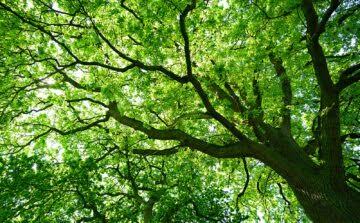
Trees are an important part of every healthy landscape. They provide natural shade, improve air quality, support wildlife, and create attractive surroundings for homes and businesses. However, maintaining beautiful and healthy trees requires more than occasional watering. A proper tree care routine includes planting, monitoring, pruning, soil management, and protection against environmental challenges.
Planning for Long-Term Tree Growth
Successful tree maintenance starts with proper planning. Before planting a tree, consider its species, expected height, canopy size, and root development. Selecting a tree that suits the available space helps prevent future conflicts with buildings, roads, fences, and underground utilities.
It is also important to understand local soil and weather conditions. Trees that are naturally suited to their surroundings generally require less intervention and have a better chance of developing successfully.
Encouraging Strong and Healthy Roots
A strong root system provides the foundation for a healthy tree. Roots absorb essential nutrients, collect moisture, and keep the tree securely anchored in the ground.
To encourage healthy root development, avoid excessive soil disturbance and heavy traffic around the tree. Maintaining suitable soil conditions and applying a layer of organic mulch can help protect the root zone.
Young trees should receive particular attention because their roots need time to spread into the surrounding soil.
Maintaining Proper Tree Structure
A tree’s structure plays an important role in its long-term health and stability. Poorly positioned branches, damaged limbs, and excessive growth can sometimes create structural problems.
Regular inspections help identify branches that need attention. Professional pruning can improve the overall structure while preserving the tree’s natural form.
Tree topping and unnecessary removal of healthy branches should be avoided because these practices can weaken trees and encourage problematic regrowth.
Protecting Trees from Seasonal Challenges
Different seasons create different maintenance requirements. Hot weather may increase the need for watering, while heavy rainfall can create drainage problems. Strong winds may break branches, and cold temperatures can affect sensitive species.
Adjusting maintenance activities throughout the year helps trees cope with changing environmental conditions. After severe weather, inspect trees for visible damage and arrange professional assessments when necessary.
Improving Tree Appearance Through Proper Care
Well-maintained trees make gardens and commercial landscapes more welcoming. Removing deadwood, managing unwanted growth, and keeping surrounding areas free from harmful debris can improve the overall appearance of outdoor spaces.
However, maintaining a natural shape is just as important as achieving an attractive appearance. Every maintenance decision should consider the tree’s health and natural growth pattern.
Why Regular Professional Assessments Matter
Professional arborists can identify problems that may not be immediately visible to property owners. They assess tree structure, inspect signs of disease, evaluate potential hazards, and recommend appropriate maintenance.
Their experience is especially valuable for large trees, mature specimens, and trees located near buildings or public areas.
Conclusion
Quality tree care requires a balanced approach that focuses on healthy growth, structural safety, and environmental protection. Proper planting, root management, careful pruning, seasonal inspections, and professional guidance can help trees thrive for decades. By investing in responsible tree maintenance, we can preserve natural beauty and create greener, healthier outdoor environments f
Leave a Reply