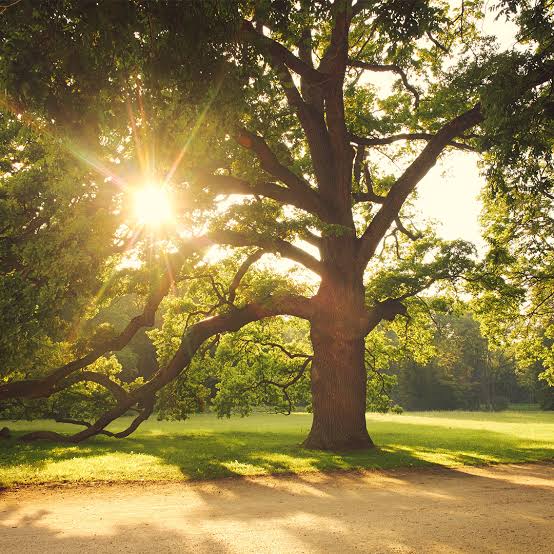
Trees are an essential part of a sustainable environment. They improve air quality, provide natural shade, support wildlife, and make landscapes more attractive. Maintaining healthy trees requires proper knowledge, regular inspections, and suitable maintenance techniques. Advanced tree care methods focus on improving growing conditions, preventing diseases, and supporting long-term tree development.
Understanding Tree Growth Patterns
Every tree species has its own growth characteristics. Some trees develop wide canopies, while others grow tall with narrow branches. Understanding these natural patterns helps determine suitable planting locations and maintenance requirements.
Factors such as sunlight, soil composition, water availability, and climate conditions influence how successfully trees develop.
Improving Root Development
Strong roots are essential for tree stability and nutrient absorption. Poor drainage, compacted soil, and construction activities can restrict root development.
To support healthy roots, maintain suitable soil conditions and avoid unnecessary disturbance around established trees. Organic mulch can help conserve moisture and improve the surrounding soil as it gradually decomposes.
Applying Proper Pruning Techniques
Pruning helps maintain tree structure and removes unhealthy branches. It also supports better airflow and sunlight distribution throughout the canopy.
Different trees require different pruning approaches. Avoid removing excessive foliage or cutting branches without understanding the tree’s natural structure.
Professional arborists can recommend suitable techniques based on species, age, and condition.
Managing Nutrient Requirements
Trees require essential nutrients to support healthy leaves, roots, and branches. Nutrient deficiencies may cause unusual leaf colours, reduced growth, or premature leaf loss.
Soil testing can help determine whether additional nutrients are necessary. Applying fertilizers without identifying an actual deficiency may create unnecessary problems.
Organic compost can also support healthy soil conditions.
Monitoring Environmental Stress
Trees experience stress from heat, drought, excessive rainfall, pollution, and physical damage.
Regular inspections help identify changes in foliage, bark, and branch development. Providing suitable growing conditions can improve resilience and support recovery.
Professional Tree Health Assessments
Professional arborists use their knowledge of tree biology and structural development to evaluate tree conditions.
They can identify potential hazards, recommend maintenance strategies, and provide guidance on disease prevention.
Regular assessments are particularly valuable for mature trees located near buildings and public spaces.
Conclusion
Advanced tree care combines knowledge of tree growth, healthy soil management, responsible pruning, and environmental monitoring. By applying suitable maintenance techniques, property owners can encourage stronger growth and protect the long-term health of their landscapes.
Leave a Reply