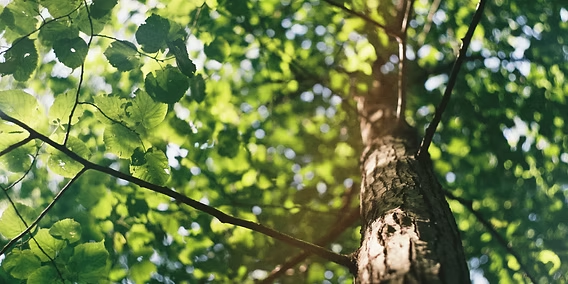
Trees are an essential part of a healthy environment. They improve air quality, provide natural shade, support biodiversity, and make residential and commercial landscapes more attractive. However, trees cannot always grow properly without suitable care and maintenance. A well-planned tree care routine helps protect their health, improves their appearance, and reduces the risk of unexpected problems.
The Importance of Early Tree Care
Taking care of trees from an early age is one of the best ways to encourage healthy development. Newly planted trees need suitable soil, sufficient water, and protection from physical damage. Their roots must have enough space to spread and establish a strong foundation.
Young trees should be monitored regularly to ensure they are growing correctly. Providing appropriate support when necessary and removing competing weeds can help them establish successfully. Early attention also makes it easier to identify growth problems before they become serious.
Maintaining Healthy Branches and Leaves
Leaves and branches are important indicators of a tree’s overall health. Healthy leaves generally have a consistent colour and appearance, while unusual spots, curling, or premature leaf loss may suggest environmental stress or disease.
Regular inspections help identify damaged branches and unhealthy growth. Appropriate pruning improves the tree’s structure, removes deadwood, and reduces potential hazards. However, excessive cutting can weaken a tree, so pruning should always follow suitable arboricultural practices.
Protecting Trees During Construction
Construction and landscaping projects can cause serious damage to established trees. Excavation, soil compaction, machinery movement, and changes in ground levels may affect underground roots.
Before starting construction near trees, identify their root protection areas and take suitable precautions. Avoid storing building materials beneath tree canopies or operating heavy machinery close to trunks. Working with qualified arborists can help protect valuable trees throughout development projects.
Improving Water Management
Proper water management is essential for maintaining healthy trees. Both insufficient watering and excessive moisture can create problems. Young trees generally need more attention, particularly during hot and dry periods.
Watering should be adjusted according to rainfall, soil conditions, tree species, and seasonal requirements. Applying organic mulch around the root zone helps conserve moisture and maintain more stable soil temperatures.
Encouraging Wildlife Through Tree Care
Trees provide important habitats for birds, insects, and other wildlife. Their branches offer nesting locations, while flowers, fruits, and foliage provide food and shelter.
Planting a variety of suitable tree species can support local biodiversity. Whenever possible, retain healthy mature trees because they often provide greater ecological benefits than newly planted replacements.
Long-Term Tree Maintenance Planning
A long-term maintenance plan helps property owners manage their trees effectively. It may include seasonal inspections, soil assessments, watering schedules, pruning requirements, and professional health evaluations.
Keeping records of tree conditions and previous maintenance work also makes it easier to monitor changes over time.
Conclusion
Complete tree care requires patience, knowledge, and consistent effort. From protecting young roots to maintaining mature canopies, every maintenance activity contributes to healthier trees. By adopting responsible practices and seeking professional assistance when needed, homeowners and communities can preserve valuable trees and create greener, safer, and more attractive environments for generations to come.
Leave a Reply