I have spent years coordinating residential cleanouts, renovation debris removal, and small construction projects throughout South Florida. Working around Fort Lauderdale has taught me that waste removal can affect an entire project, especially when space is limited and the weather changes without much warning. I have seen homeowners lose valuable time because they underestimated the amount of debris their project would produce. A suitable dumpster makes the work easier to manage and helps keep the property organized from the first day.
I never recommend selecting a dumpster based on price alone because the container must match the type and amount of material being removed. A small bathroom renovation might produce several piles of tile, drywall, old cabinets, and plumbing fixtures, while a complete property cleanout can generate considerably more waste. I usually discuss the project with the customer before suggesting a container size. This simple conversation helps prevent unnecessary expenses and reduces the chance of needing another pickup.
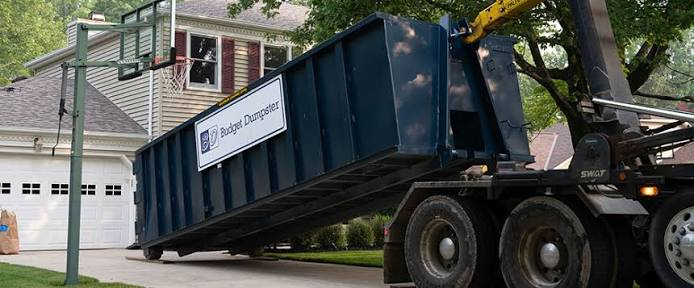
For smaller residential jobs, a 10-yard dumpster may provide enough room for unwanted furniture, flooring, and general household debris. Medium renovation projects often require a 15-yard or 20-yard container, depending on the materials involved. Larger construction work can call for a 30-yard or 40-yard option, although available sizes vary between rental companies. I also consider the available driveway space because a container that fits the project must still fit the property.
One homeowner I worked with last spring was preparing an older Fort Lauderdale property for renovation. The initial plan involved removing a few cabinets and sections of flooring, but the job expanded after damaged drywall and old furniture were discovered. I suggested reviewing the expected debris before ordering the container. That adjustment helped the homeowner avoid interrupting the renovation to arrange another delivery.
I always treat delivery planning as part of the preparation process rather than something to arrange after the cleanup begins. A customer should know where the truck can access the property, how much clearance is available, and whether parked vehicles could interfere with placement. For people comparing local waste removal options, dumpster rental Fort Lauderdale FL is a relevant service to consider when arranging a container for residential or commercial cleanup work. I recommend confirming delivery availability, rental duration, and included weight limits before making a booking.
Fort Lauderdale properties can present different access challenges. Some homes have narrow driveways, while others have limited space between the house, landscaping, and neighboring properties. I usually suggest measuring the intended placement area before delivery day. Even a few extra feet of clearance can make positioning easier for the driver.
Placement also deserves attention when the driveway has decorative pavers or recently installed concrete. I prefer discussing protective boards or other suitable precautions before the container arrives. The exact approach depends on the surface, container weight, and delivery equipment. Customers should also check local requirements if they intend to place a dumpster on a public street rather than private property.
I have found that many rental misunderstandings begin with unclear pricing. A quoted rental price may cover delivery, collection, a particular rental period, and an included disposal weight, but the details differ between providers. Some companies charge additional fees when the container exceeds its permitted weight or remains on-site beyond the agreed period. I always encourage customers to request a clear breakdown before confirming the service.
Weight deserves particular attention during renovation work. Broken concrete, roofing materials, soil, bricks, and ceramic tiles can become extremely heavy even when they occupy relatively little space. A dumpster filled with old furniture may look much fuller than one containing broken masonry, yet the heavier material can reach its weight allowance sooner. I advise checking accepted materials and weight restrictions before loading anything unusual.
Rental duration matters too. A three-day cleanup may be manageable for an experienced crew, but a homeowner working evenings and weekends could need a longer arrangement. I normally suggest estimating the actual working time rather than choosing the shortest rental period available. An extra day can sometimes be less expensive than an unexpected extension fee.
Ask about prohibited materials before starting. Paint, chemicals, batteries, tires, certain electronics, and hazardous waste may require separate disposal arrangements. I never assume that every item can go into a standard roll-off container. Confirming the rules early prevents delays when the dumpster is ready for collection.
Construction projects generate different waste streams, and I prefer organizing them before the first piece of material enters the container. A kitchen renovation might involve cabinets, countertops, flooring, drywall, packaging, and old appliances. Some materials can go into a standard construction dumpster, while others may require separate handling. Keeping those categories clear makes the disposal process easier.
When I supervise a renovation cleanup, I encourage workers to break down bulky materials whenever practical. Flattened cardboard and dismantled cabinets generally occupy less space than intact items. However, I avoid recommending unnecessary cutting or dismantling when it could create sharp edges or expose workers to hazardous materials. Safety comes before saving a little container space.
Roofing projects require another approach. Shingles are heavy, and a relatively small roofing job can create a substantial disposal load. I usually discuss the estimated roof area and material type before deciding on a container. Contractors should also confirm whether the rental company accepts roofing debris and whether a special weight allowance applies.
Keep the surrounding work area clear. I like to leave enough room around the dumpster for workers to carry materials safely without stepping over loose debris. Sharp nails, broken glass, and splintered timber should receive particular attention during loading. A clean working area reduces avoidable injuries and makes the final collection easier.
Weather is one factor I always consider when scheduling outdoor cleanup projects in Fort Lauderdale. Heavy rain can arrive quickly, and an open dumpster may collect water if it remains exposed. That extra water can increase the total weight of the container, potentially affecting disposal charges. I recommend asking the rental provider about suitable covers and keeping the container protected when possible.
Summer storms can also interrupt renovation schedules. I have seen homeowners plan a weekend cleanup only to lose several working hours because of heavy rainfall. When the forecast looks uncertain, I prefer allowing some flexibility in the project timeline. Covering loose materials and securing lightweight debris can help prevent waste from spreading around the property.
Wind deserves attention as well. Cardboard, plastic wrapping, insulation, and other lightweight materials can blow out of an uncovered container. I advise placing heavier items carefully and avoiding loads that extend above the permitted fill line. A properly secured cover is useful when the container is not being loaded.
I approach residential cleanouts differently from commercial waste removal because the working conditions are rarely identical. A homeowner clearing a garage may need a container for old shelving, damaged furniture, and boxes that have accumulated over several years. A retail business preparing for remodeling might need regular access to the property throughout the rental period. I consider the daily activities around the site before recommending a delivery location.
For commercial projects, scheduling can be especially sensitive. A dumpster positioned near a loading entrance could interfere with deliveries or customer access. I prefer identifying a location that allows workers to dispose of materials without blocking important pathways. Businesses should also confirm any property management requirements before arranging delivery.
Residential customers often benefit from dividing a large cleanup into manageable stages. I might suggest clearing the garage first, followed by storage rooms and outdoor areas. This approach gives the homeowner more control over what gets discarded and helps avoid filling the container with items that could still be useful. It also makes it easier to estimate the remaining disposal needs.
I encourage customers to load heavier materials first and distribute the weight as evenly as possible. Placing all the heavy debris on one side can create an uneven load that may complicate collection. Larger flat materials can often be positioned along the sides, leaving the center available for smaller debris. The container should never be loaded beyond its marked fill line.
Proper lifting technique matters. I recommend using a suitable team or equipment when moving heavy furniture, appliances, or construction materials. Workers should wear gloves, sturdy footwear, and eye protection when handling debris that could contain sharp or rough edges. No one should climb into an unstable dumpster to rearrange its contents.
I also ask customers to keep the access area open on collection day. Cars, trailers, tools, and leftover construction materials should be moved away from the truck’s approach. If the container is ready early, confirming the pickup arrangement with the provider can help prevent unnecessary waiting. Clear access makes the final stage of the project much easier.
My approach to waste removal in Fort Lauderdale is simple: estimate the debris honestly, select an appropriate container, confirm the rental conditions, and prepare the property before delivery. I have seen these basic decisions save homeowners and contractors considerable time during demanding projects. A well-planned dumpster rental gives everyone a practical place to put unwanted material while keeping the rest of the property usable. I would rather spend a little extra time planning the disposal arrangements than allow an avoidable waste problem to slow down the entire job.