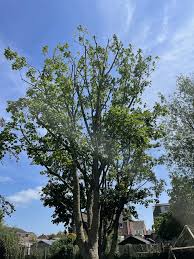
Hot weather and drought can create challenging conditions for trees. High temperatures, dry soil, and limited rainfall increase moisture loss and place additional pressure on root systems. Proper tree care during these periods helps reduce environmental stress and supports healthy growth.
Understanding Heat Stress in Trees
Trees lose moisture through their leaves, particularly during hot and windy weather. When water availability becomes limited, they may struggle to maintain normal growth.
Common warning signs include wilting leaves, premature leaf loss, dry foliage, and reduced branch growth.
Different tree species respond differently to heat, so understanding individual requirements is important.
Establishing an Effective Watering Routine
Watering is one of the most important aspects of drought management.
Newly planted trees generally require more frequent watering than established trees. Mature trees may also need additional moisture during prolonged dry conditions.
Water slowly and deeply around the root zone so moisture reaches the surrounding soil.
Avoid frequent shallow watering and excessive irrigation.
Protecting Roots With Mulch
Organic mulch helps reduce water evaporation from the soil surface.
Materials such as wood chips, shredded bark, and composted leaves can help maintain more consistent soil temperatures and moisture levels.
Apply mulch around the root zone while keeping it away from direct contact with the trunk.
Reducing Additional Environmental Stress
During extreme heat, avoid unnecessary pruning or other maintenance activities that may place additional stress on trees.
Protect root areas from construction, heavy equipment, and excessive foot traffic.
Maintaining suitable growing conditions allows trees to use available resources more effectively.
Monitoring Signs of Drought Damage
Inspect trees regularly during extended dry periods.
Look for dry leaf edges, premature foliage loss, reduced growth, and branches showing signs of decline.
Some symptoms may also indicate pest problems or root damage, so professional diagnosis may be necessary.
Choosing Drought-Tolerant Tree Species
When planning new landscaping, consider tree species suited to local rainfall and temperature conditions.
Climate-adapted species may require less additional watering once established.
Always consider mature size, soil conditions, and available planting space before making a selection.
Conclusion
Tree care during hot weather requires proper watering, root protection, moisture conservation, and regular monitoring. By taking preventive measures and selecting suitable tree species, property owners can help their trees remain healthier during challenging weather conditions.
Leave a Reply